
Key Takeaways
- The robo-advisor market has grown significantly, with top platforms now managing over $1 trillion in combined assets.
- AI features in 2026 go far beyond basic rebalancing—look for tax-loss harvesting, behavioral nudges, and personalized goal tracking.
- Annual fees typically range from 0% to 0.40%, making robo-advisors far cheaper than traditional financial advisors.
- Not all "AI-powered" labels are equal—some platforms use simple rule-based algorithms rather than true machine learning.
- The best robo-advisor depends on your goals: beginners, retirement savers, and active investors all have different top picks.
Why AI-Powered Finance Apps Are Having a Moment in 2026
Artificial intelligence has moved from buzzword to backbone in personal finance. In 2026, robo-advisors aren't just about setting an asset allocation and walking away—they're analyzing spending habits, predicting cash flow needs, optimizing tax outcomes, and even flagging behavioral biases before you make a costly mistake.
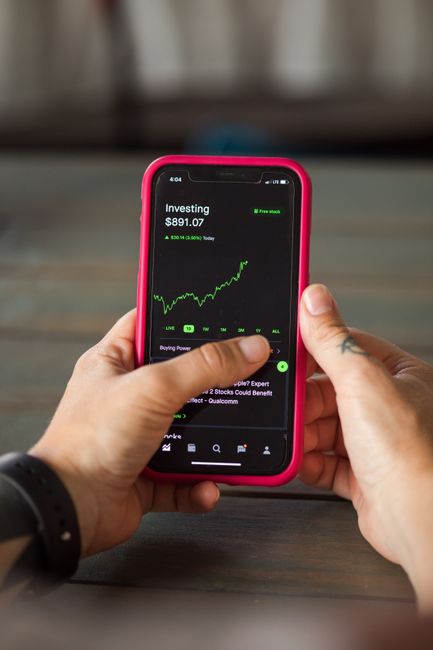
But with dozens of platforms competing for your money, how do you separate genuine innovation from marketing fluff? This guide cuts through the noise, comparing the top AI-powered personal finance apps and robo-advisors that actually deliver in 2026.
If you're just getting started with automated investing, our Beginner's Guide to AI-Powered Investment Apps and Robo-Advisors is a great foundation before diving into the comparisons below.
Top Robo-Advisors Compared: 2026 Edition
We evaluated platforms across five key criteria: management fees, minimum investment, AI features, tax optimization, and overall user experience. Here's how the leading players stack up:
| Platform | Annual Fee | Minimum Balance | Tax-Loss Harvesting | AI Features | Best For |
|---|---|---|---|---|---|
| Betterment | 0.25% | $0 | Yes (all accounts) | Goal forecasting, spending insights | Beginners & goal-setters |
| Wealthfront | 0.25% | $500 | Yes (daily) | Path financial planner, Self-Driving Money™ | Automation enthusiasts |
| Schwab Intelligent Portfolios | 0% | $5,000 | Yes (premium only) | Automatic rebalancing, risk scoring | Cost-conscious investors |
| SoFi Automated Investing | 0% | $1 | No | Career coaching integration, goal tracking | Young professionals |
| Fidelity Go | 0% (under $25K) | $0 | No | Personalized advice tiers, spending analysis | Fidelity ecosystem users |
| Acorns | $3/month | $0 | No | Round-up investing, Found Money rewards | Micro-investors & savers |
What "AI-Powered" Actually Means—And What to Watch Out For
The term "AI-powered" is applied liberally in fintech marketing. In practice, there's a spectrum:
Rule-Based Algorithms (Basic)
Many platforms use predetermined rules—rebalance when drift exceeds 5%, for example. This is automation, not artificial intelligence. It works, but it doesn't adapt to your unique situation.
Machine Learning Models (Intermediate)
True AI platforms use machine learning to personalize recommendations based on your behavior, goals, and market conditions. Wealthfront's Path planner and Betterment's goal forecasting engine fall into this category.
Generative AI & Natural Language Tools (Advanced)
A growing number of platforms in 2026 now integrate large language model (LLM) interfaces—letting you ask questions in plain English and get personalized financial guidance instantly. This is where the field is heading fastest.
The Platforms That Stand Out in 2026
Betterment: Best Overall for Most Investors
Betterment continues to lead for everyday investors. Its AI-driven goal forecasting shows the probability of hitting your targets in real time, and the behavioral coaching features nudge users away from panic selling during volatility. The no-minimum account and 0.25% fee remain competitive. Betterment also added a cash flow analysis tool in 2025 that syncs with bank accounts to optimize contribution timing.
Wealthfront: Best for Full Financial Automation
Wealthfront's Self-Driving Money™ feature is arguably the most complete AI automation in the industry. It automatically sweeps excess cash into investments or savings once your bills and emergency fund targets are met. Daily tax-loss harvesting is genuinely effective for taxable accounts—potentially adding 0.10%–0.77% in after-tax returns annually according to Wealthfront's own research.
Schwab Intelligent Portfolios: Best for Zero-Fee Investing
Schwab charges no management fee, making it attractive if you have $5,000 or more to deploy. The trade-off is a required cash allocation (around 6–10%) that acts as an indirect cost. Still, for long-term, hands-off investors, the value is hard to beat.
Energy Use Trends in Financial Technology Infrastructure
As AI platforms scale, energy consumption by digital infrastructure has become a relevant consideration. The table below shows global energy use per capita trends over the past decade, highlighting the growing demands of data-intensive services like AI-powered finance.
| Year | Energy Use Per Capita (kg of oil equivalent) |
|---|---|
| 2015 | 1,791.33 |
| 2016 | 1,786.05 |
| 2017 | 1,803.86 |
| 2018 | 1,826.86 |
| 2019 | 1,828.20 |
| 2020 | 1,761.79 |
| 2021 | 1,853.13 |
| 2022 | 1,853.42 |
| 2023 | 1,869.50 |
| 2024 | 1,892.16 |
Source: World Bank (EG.USE.PCAP.KG.OE)
Robo-Advisors and Retirement Planning: A Powerful Combination
Robo-advisors have become especially valuable for retirement savers. Platforms like Betterment and Wealthfront offer IRA accounts with automatic Roth conversion analysis and contribution optimization. If you're thinking about how your robo-advisor fits into a broader retirement withdrawal strategy, read our guide on Tax-Efficient Withdrawal Strategies for Retirement Accounts in 2026.
Robo-advisors pair well with other passive income tools too. Check out our breakdown of Passive Income Streams: Real Ways to Make Money While You Sleep in 2026 to see how automated investing fits into a diversified income plan.
Are There Any Downsides?
Robo-advisors aren't perfect. Key limitations include:
- Limited customization: Most platforms use model portfolios. If you want individual stock picks, you'll need a hybrid or self-directed approach.
- No human judgment in crises: Market crashes can expose the limits of automated systems. Behavioral nudges help, but they're not the same as a human advisor talking you through panic.
- Cash drag: Some platforms (especially Schwab) require a cash allocation that can reduce overall returns.
For investors starting small, our guide on How to Start Investing with $100: Beginner's Guide to Micro-Investing in 2026 shows how to maximize robo-advisor platforms even with a modest initial deposit.
How to Choose the Right Robo-Advisor for You
Use this simple framework:
- Zero budget for fees? → Schwab Intelligent Portfolios or Fidelity Go
- Want full automation? → Wealthfront
- Building toward specific goals? → Betterment
- Starting with very little? → SoFi or Acorns
- Focused on tax efficiency? → Wealthfront or Betterment Premium
According to Investopedia's 2026 robo-advisor rankings, tax-loss harvesting and low fees remain the two most impactful features for long-term wealth building. Meanwhile, NerdWallet's analysis emphasizes that platform ease-of-use drives consistent investing behavior—arguably the most important factor of all.
Frequently Asked Questions
Are robo-advisors safe for long-term investing?
Yes. Reputable robo-advisors are regulated by the SEC and FINRA, and client assets are held in your name at custodian brokerages (like Apex or Schwab). Most accounts are SIPC-insured up to $500,000. They're appropriate for long-term, diversified investing—though they're not immune to market losses.
Do robo-advisors actually beat the market?
Most robo-advisors don't try to beat the market—they aim to match it through diversified, low-cost index fund portfolios. Their edge comes from consistency, behavioral coaching, and tax optimization rather than stock selection. Over time, minimizing fees and taxes often outperforms active stock-picking.
What's the difference between a robo-advisor and an AI finance app?
Robo-advisors specifically manage investments on your behalf. AI finance apps is a broader category that includes budgeting tools, credit score monitors, and cash flow analyzers. Many modern platforms now combine both—offering investment management alongside AI-driven financial planning insights.
How much money do I need to start with a robo-advisor?
Several platforms—including Betterment, SoFi, and Fidelity Go—have $0 minimum requirements. Schwab requires $5,000. Wealthfront requires $500. Even with small amounts, the automation and compounding benefits make starting early worthwhile.
Can I use a robo-advisor alongside a human financial advisor?
Absolutely. Many investors use robo-advisors for their core portfolio while working with a human advisor for complex planning needs—estate planning, tax strategy, or major life transitions. Some platforms like Betterment Premium even include access to certified financial planners for an additional fee.