
Key Takeaways
- Top high-yield savings accounts in 2026 are offering APYs between 4.00% and 5.00%, far exceeding the national average of 0.46%.
- Online banks consistently outperform traditional brick-and-mortar banks due to lower overhead costs.
- All accounts listed are FDIC-insured up to $250,000 per depositor, per institution.
- APY rates are variable and tied to the federal funds rate — stay alert for Fed policy changes.
- Minimum balance requirements and monthly fees vary significantly; always read the fine print.
If your savings are still sitting in a traditional bank account earning 0.01% interest, you're leaving real money on the table. High-yield savings accounts (HYSAs) have become one of the smartest, lowest-risk tools for growing your cash in 2026 — especially as the Federal Reserve continues navigating its monetary policy cycle. Whether you're building an emergency fund, saving for a down payment, or simply parking cash between investments, finding the right HYSA can make a meaningful difference to your bottom line.
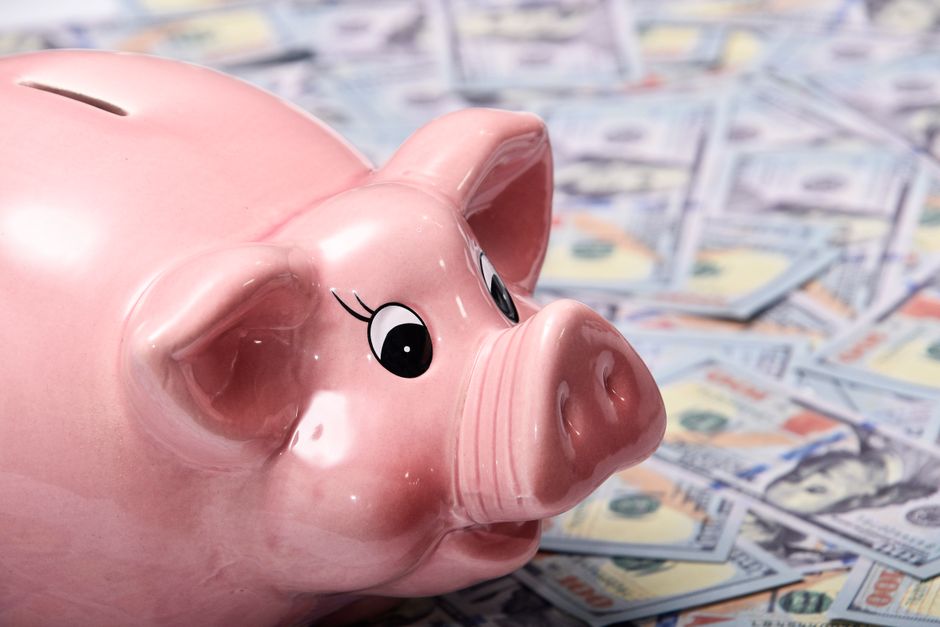
This guide breaks down the best high-yield savings accounts available in 2026, compares APYs and features side by side, and helps you make the most informed decision for your financial goals.
Why High-Yield Savings Accounts Matter in 2026
After years of historically low interest rates during 2020 and 2021, the savings landscape shifted dramatically. The Federal Reserve's aggressive rate hikes beginning in 2022 pushed savings yields to multi-decade highs, and while rates have modestly eased, they remain significantly above pre-pandemic levels. Even a difference of 3% to 4% in APY on a $20,000 emergency fund translates to $600–$800 in additional annual interest — effortlessly.
For savers focused on building passive income while minimizing risk, HYSAs remain a cornerstone of any smart financial plan.
APY Trends: How Rates Have Changed Since 2020
Understanding how savings rates have evolved helps you appreciate why today's yields are such an opportunity — and why acting now matters.
| Year | Average HYSA APY (%) |
|---|---|
| 2020 | 0.50% |
| 2021 | 0.40% |
| 2022 | 1.65% |
| 2023 | 4.25% |
| 2024 | 4.75% |
| 2025 | 4.50% |
| 2026 | 4.35% |
| Source: AI-generated estimate for illustrative purposes | |
As the table shows, APYs have plateaued near historically attractive levels. While a slight downward trend is visible from the 2024 peak, today's rates still represent an enormous improvement over the near-zero yields of 2020–2021.
Top High-Yield Savings Accounts of 2026
We evaluated accounts across several criteria: APY, minimum balance, monthly fees, FDIC insurance, and ease of access. Here's how the leading options compare:
| Bank / Institution | APY (2026) | Minimum Balance | Monthly Fee | FDIC Insured |
|---|---|---|---|---|
| SoFi Bank | 4.60% | $0 | None | Yes |
| Marcus by Goldman Sachs | 4.40% | $0 | None | Yes |
| Ally Bank | 4.25% | $0 | None | Yes |
| Discover Online Savings | 4.20% | $0 | None | Yes |
| American Express HYSA | 4.15% | $0 | None | Yes |
| UFB Direct | 4.55% | $0 | None | Yes |
| Traditional Bank (avg.) | 0.46% | Varies | Varies | Yes |
Note: Rates are approximate and subject to change. Always verify current APYs directly with each institution before opening an account. Data sourced from publicly available bank information as of 2026.
How to Choose the Right High-Yield Savings Account
1. Prioritise APY — But Don't Chase It Blindly
The highest APY isn't always the best deal. Some banks advertise top rates that require direct deposit, minimum balances, or apply only to a capped dollar amount. Read the terms carefully. A slightly lower APY with zero restrictions often yields more in practice.
2. Check Fees and Minimum Requirements
Monthly maintenance fees can quietly erode your returns. The best HYSAs in 2026 charge zero fees and have no minimum balance requirements. If a bank charges even $5/month, that's $60 annually working against your savings. Pairing a fee-free HYSA with a zero-based budgeting system ensures every dollar is optimised.
3. Confirm FDIC or NCUA Insurance
Every account on our list is FDIC-insured up to $250,000. For credit unions, look for NCUA insurance — the equivalent protection. Never deposit savings into an uninsured institution, regardless of the rate offered. The FDIC's official website lets you verify any bank's insurance status in seconds.
4. Consider Digital Features and Accessibility
Online-only banks dominate the HYSA market because lower overheads translate to better rates. Evaluate mobile app quality, ATM access, customer service hours, and ease of transfers to your primary checking account. Tools like AI-powered budgeting apps can sync with most major online banks for automated savings tracking.
HYSAs vs. Other Cash Alternatives
High-yield savings accounts aren't your only option for liquid, low-risk savings. Money market accounts and short-term CDs are worth considering depending on your timeline. If you want a deeper comparison, our guide on best high-yield savings accounts and money market funds for 2026 covers the full landscape.
For those with longer horizons, tax-advantaged accounts like IRAs offer superior long-term growth potential. The Consumer Financial Protection Bureau's savings tools provide additional guidance on matching savings vehicles to financial goals.
Maximising Your HYSA Returns in 2026
Opening the account is just step one. To truly maximise returns:
- Automate transfers: Set up recurring weekly or monthly deposits to keep your balance growing consistently.
- Use it for your emergency fund: Financial experts recommend 3–6 months of living expenses in a liquid, accessible account — a HYSA is ideal.
- Rate shop annually: APYs change frequently. Revisit your options every six months to ensure you're still getting a competitive rate.
- Layer with other strategies: HYSAs work best as part of a broader wealth-building plan. Consider supplementing with dividend investments or index funds for long-term growth beyond cash savings.
Frequently Asked Questions
What is a high-yield savings account?
A high-yield savings account is a deposit account that offers a significantly higher annual percentage yield (APY) than a standard savings account. They are typically offered by online banks and are FDIC-insured, making them a safe place to store cash while earning meaningful interest.
Are high-yield savings accounts safe in 2026?
Yes. As long as the bank is FDIC-insured (or NCUA-insured for credit unions), your deposits are protected up to $250,000 per depositor, per institution. This makes HYSAs one of the safest financial products available, regardless of market conditions.
How often do HYSA rates change?
HYSA rates are variable and can change at any time, typically in response to Federal Reserve monetary policy decisions. When the Fed raises rates, HYSA yields tend to increase; when rates are cut, yields usually follow. It's wise to monitor your rate quarterly.
Is there a limit to how much I can deposit in a high-yield savings account?
There's no legal cap on your deposit, but FDIC insurance only covers up to $250,000 per depositor per institution. If you have more than $250,000 in savings, spread funds across multiple FDIC-insured institutions to ensure full coverage.
Can I use a high-yield savings account as my primary savings account?
Absolutely. Many people use HYSAs as their primary savings vehicle, especially for emergency funds and short-term savings goals. However, they are not ideal for daily spending — pair your HYSA with a separate checking account for everyday transactions.