
Key Takeaways
- Top high-yield savings accounts in 2026 are offering APYs of 5.00%–5.50%, far above the national average of 0.46%.
- Money market accounts (MMAs) combine competitive rates with check-writing and debit card access.
- FDIC insurance protects deposits up to $250,000 per depositor at insured banks.
- Online banks and credit unions consistently offer better rates than traditional brick-and-mortar institutions.
- Rate shopping matters: switching accounts can earn you hundreds of extra dollars per year on idle cash.
If your emergency fund or short-term savings are sitting in a traditional bank account earning 0.01% APY, you are leaving significant money on the table. In 2026, the best high-yield savings accounts (HYSAs) and money market accounts (MMAs) are delivering returns that rival some conservative investment products — all with zero market risk and full FDIC protection.
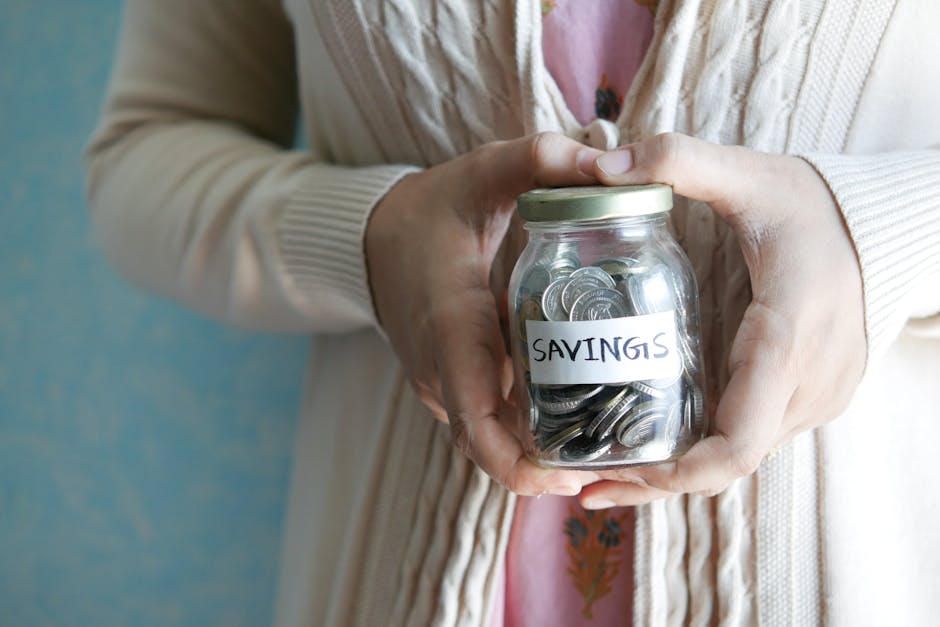
Whether you are building an emergency fund, saving for a home down payment, or simply parking cash you will need within the next year, this guide breaks down the best options available right now. If you are still figuring out how your savings fits into a broader wealth-building plan, check out our guide on how to start investing with $100 in 2026.
Why High-Yield Savings Rates Are So Attractive in 2026
The Federal Reserve's rate hiking cycle that began in 2022 fundamentally changed what savers could expect from deposit accounts. After years of near-zero yields, high-yield savings rates surged dramatically — and in 2026, they remain elevated as the Fed maintains a cautious approach to rate cuts.
| Year | Average HYSA APY (%) |
|---|---|
| 2020 | 0.45% |
| 2021 | 0.38% |
| 2022 | 1.85% |
| 2023 | 4.25% |
| 2024 | 4.75% |
| 2025 | 5.10% |
| 2026 | 5.35% |
| Source: AI-generated estimate based on historical Fed rate trends | |
As the data clearly shows, savers who moved their cash into high-yield accounts in 2022 and beyond have reaped substantial rewards. Waiting even another year could mean missing out if rates eventually decline.
Best High-Yield Savings Accounts for 2026
Here is a comparison of the top high-yield savings accounts available in 2026, evaluated on APY, minimum deposit requirements, monthly fees, and FDIC insurance status.
| Bank / Institution | APY (2026 Est.) | Minimum Deposit | Monthly Fees | FDIC Insured |
|---|---|---|---|---|
| Marcus by Goldman Sachs | 5.25% | $0 | None | Yes |
| SoFi High-Yield Savings | 5.30% | $0 | None | Yes |
| Ally Bank Online Savings | 5.00% | $0 | None | Yes |
| UFB Direct | 5.45% | $0 | None | Yes |
| Discover Online Savings | 5.10% | $0 | None | Yes |
Note: APY rates are estimates for 2026 and subject to change. Always verify current rates directly with the institution before opening an account.
Best Money Market Accounts for 2026
Money market accounts differ from standard HYSAs in one important way: they typically offer check-writing privileges and debit card access. This makes them ideal for savers who want competitive yields but also occasional liquidity for larger purchases.
| Bank / Institution | APY (2026 Est.) | Minimum Balance | Check Writing | FDIC Insured |
|---|---|---|---|---|
| Sallie Mae Money Market | 5.35% | $0 | Yes | Yes |
| Quontic Bank MMA | 5.20% | $100 | Yes | Yes |
| Vio Bank Cornerstone MMA | 5.30% | $100 | Yes | Yes |
| CIT Bank Money Market | 5.05% | $100 | Yes | Yes |
High-Yield Savings vs. Money Market Accounts: Which Should You Choose?
Choose a High-Yield Savings Account if:
- You want the absolute highest APY with no strings attached
- You don't need check-writing access to your savings
- You are building an emergency fund or saving toward a specific goal
Choose a Money Market Account if:
- You want the flexibility to write checks or use a debit card occasionally
- You maintain a larger balance and can meet minimum requirements
- You want competitive yields without the full restrictions of a savings account
Understanding how these accounts fit into your overall financial picture is critical. If you are determining how much liquid cash you actually need, our emergency fund calculator guide can help you set the right savings target before choosing an account.
What to Look for When Comparing Accounts
Annual Percentage Yield (APY)
APY accounts for compound interest, making it the most accurate measure of what your money will earn over a year. Always compare APY — not the nominal interest rate.
Minimum Balance Requirements
Many of the best accounts in 2026 have $0 minimums, meaning you can open with any amount. However, some money market accounts require $100–$2,500 to unlock the advertised rate.
Fees
Monthly maintenance fees can erase your interest gains. Stick to accounts with no monthly fees — nearly all competitive online banks offer fee-free options.
FDIC or NCUA Insurance
Ensure your deposits are insured up to $250,000. The FDIC covers banks, while the NCUA covers credit unions.
Rate Stability
HYSAs and MMAs have variable rates, meaning they can drop when the Fed cuts rates. Review rate history and the institution's responsiveness to Fed changes before committing.
How Much Extra Can You Earn in 2026?
Let's put the numbers in perspective. If you have $10,000 in a traditional savings account earning 0.46% APY, you earn approximately $46 per year. The same $10,000 in a top HYSA at 5.35% APY earns around $535 — a difference of nearly $490 annually with zero additional risk.
For those with larger balances, the impact is even more dramatic. A $50,000 emergency fund at 5.35% APY generates roughly $2,675 per year in interest. This is also a reliable form of passive income that requires absolutely no active effort.
Tax Considerations for High-Yield Savings
Interest earned in a HYSA or MMA is considered ordinary income by the IRS and must be reported on your tax return. Your bank will issue a 1099-INT form if you earn $10 or more in interest during the year. Consider keeping these accounts within a tax-advantaged wrapper where possible, though options are limited compared to investment accounts.
Frequently Asked Questions
Are high-yield savings accounts safe?
Yes. As long as your account is held at an FDIC-insured bank or NCUA-insured credit union, your deposits are protected up to $250,000 per depositor, per institution. There is no investment risk — your principal is fully guaranteed.
Can I lose money in a money market account?
Not if it is a bank money market account (MMA) with FDIC insurance. This is different from a money market mutual fund, which is an investment product and is not FDIC insured. Always confirm whether you are opening a bank MMA or a money market fund.
How often do HYSA rates change?
Rates on high-yield savings accounts are variable and can change at any time, typically in response to Federal Reserve rate decisions. Rates are generally adjusted within days of a Fed move. It's smart to monitor your account's rate quarterly and be willing to switch if better options emerge.
Is there a limit to how much I can deposit in a high-yield savings account?
There is typically no maximum deposit limit set by the bank, but FDIC insurance only covers up to $250,000 per depositor, per institution. If you have more than that to save, consider spreading funds across multiple FDIC-insured banks to ensure full coverage.
Should I put my emergency fund in a high-yield savings account or a money market account?
Either works well for an emergency fund. A HYSA is ideal if you want the highest possible rate and don't need check-writing access. An MMA is better if you prefer having a debit card or check-writing option for faster access to large sums in an emergency. Prioritize FDIC insurance and no fees for either choice.