
Investing used to require a human financial advisor, a brokerage account, and often a sizable minimum deposit. Today, AI-powered investment apps and robo-advisors have democratized wealth-building, putting sophisticated portfolio management in the palm of your hand. Whether you have $100 or $100,000 to invest, these tools can help you grow your money automatically — and intelligently.
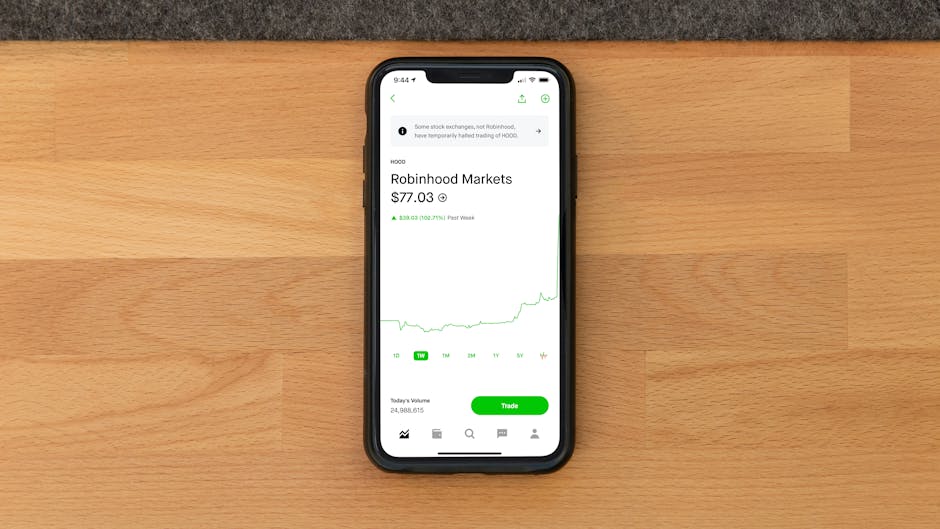
If you're new to the concept, this beginner's guide breaks down exactly how these platforms work, what they cost, and which might be right for your financial goals.
What Is a Robo-Advisor?
A robo-advisor is an automated investment platform that uses algorithms — and increasingly, artificial intelligence — to build and manage a diversified investment portfolio on your behalf. You answer a short questionnaire about your goals, risk tolerance, and timeline. The platform then selects and rebalances a mix of low-cost index funds or ETFs suited to your profile.
Modern AI-powered apps go a step further. They analyze spending patterns, market trends, tax efficiency, and even behavioral biases to optimize your portfolio in real time. For beginners starting with as little as $100, these platforms offer a practical, low-barrier entry point into investing.
How AI Makes Robo-Advisors Smarter
Traditional robo-advisors follow fixed rules. AI-enhanced platforms adapt. Here's what AI brings to the table:
- Dynamic rebalancing: AI monitors your portfolio continuously and rebalances when allocations drift, without you lifting a finger.
- Tax-loss harvesting: Advanced algorithms identify losing positions that can be sold to offset taxable gains, potentially saving you hundreds per year.
- Personalized recommendations: Machine learning tailors investment suggestions based on your behavior, income patterns, and stated goals.
- Risk assessment: AI tools can detect market volatility and adjust your portfolio's risk exposure accordingly.
For investors building a recession-proof investment portfolio, AI-driven rebalancing is especially valuable during economic turbulence.
Top AI-Powered Investment Apps Compared
Here's a side-by-side comparison of leading robo-advisors and AI investment platforms available in 2026:
| Platform | Annual Fee | Minimum Investment | Tax-Loss Harvesting | AI Features | Best For |
|---|---|---|---|---|---|
| Betterment | 0.25% | $0 | Yes | Goal-based AI, auto-rebalancing | Beginners, goal savers |
| Wealthfront | 0.25% | $500 | Yes | Path financial planning AI | Long-term planners |
| SoFi Invest | 0% | $1 | No | Automated portfolios, career tools | Fee-conscious beginners |
| Schwab Intelligent Portfolios | 0% | $5,000 | Yes (Premium) | AI monitoring, automatic rebalancing | Larger portfolio holders |
| Acorns | $3/month | $0 | No | Round-up investing, smart allocation | Micro-investors, savers |
| Ellevest | $12/month | $0 | No | Gender-specific AI planning | Women investors |
For a deeper look at which platforms are actually generating returns, check out our analysis of AI-powered personal finance apps and robo-advisors delivering real returns in 2026.
Global Energy Consumption per Capita: Contextualizing Tech-Driven Finance
As digital investing platforms scale globally, it's worth noting the broader tech infrastructure behind them. The table below shows global energy use per capita trends — a metric that reflects increasing digitization worldwide, including the energy costs of running AI systems.
| Year | Energy Use per Capita (kg of oil equivalent) |
|---|---|
| 2015 | 1,791.33 |
| 2016 | 1,786.05 |
| 2017 | 1,803.86 |
| 2018 | 1,826.86 |
| 2019 | 1,828.20 |
| 2020 | 1,761.79 |
| 2021 | 1,853.13 |
| 2022 | 1,853.42 |
| 2023 | 1,869.50 |
| 2024 | 1,892.16 |
Source: World Bank (EG.USE.PCAP.KG.OE)
Pros and Cons of AI Investment Apps
Advantages
- Low cost: Most charge 0–0.25% annually, far below the 1%+ typical of human advisors.
- Accessibility: No large minimum deposits needed at many platforms.
- Automation: Set it and forget it — portfolios rebalance automatically.
- Emotion-free investing: AI removes panic selling and impulsive decisions.
Disadvantages
- Limited customization: You typically can't hand-pick individual stocks.
- No human touch: Complex financial situations may need a human advisor.
- Market risk still exists: AI doesn't eliminate investment losses.
- Cash drag: Some platforms hold cash, reducing potential returns.
Who Should Use a Robo-Advisor?
Robo-advisors are ideal for:
- First-time investors who want a simple, guided start
- Busy professionals who don't have time to actively manage investments
- Those saving toward specific goals like retirement or a home purchase
- Investors who want low-cost, tax-efficient portfolio management
If you're interested in generating passive income through dividends and alternative investments, a robo-advisor can serve as a solid foundation alongside these strategies.
According to Investopedia's robo-advisor research, assets managed by robo-advisors globally are projected to surpass $5 trillion by 2027, reflecting massive mainstream adoption.
The U.S. Securities and Exchange Commission also provides investor guidance on understanding automated investment tools, which is worth reviewing before committing funds to any platform.
Key Takeaways
- Robo-advisors use algorithms and AI to automatically build and manage investment portfolios tailored to your goals and risk tolerance.
- Most platforms charge between 0% and 0.25% annually — significantly cheaper than traditional financial advisors.
- AI features like tax-loss harvesting and dynamic rebalancing can meaningfully improve your after-tax returns over time.
- Platforms like Betterment, Wealthfront, and SoFi Invest have no or very low minimums, making them ideal for beginners.
- Robo-advisors work best as part of a broader financial plan — consider pairing them with high-yield savings accounts and passive income strategies.
Frequently Asked Questions
Are robo-advisors safe to use?
Yes, most major robo-advisors are regulated by the SEC and FINRA and hold client funds through SIPC-insured brokerage accounts. However, like all investments, your portfolio value can go up or down with market conditions. Always verify a platform's regulatory status before depositing funds.
How much money do I need to start with a robo-advisor?
Many platforms like Betterment, SoFi Invest, and Acorns have $0 minimums, meaning you can start with any amount. Some platforms like Schwab Intelligent Portfolios require $5,000. For most beginners, starting with as little as $100–$500 is perfectly reasonable.
Can a robo-advisor replace a human financial advisor?
For straightforward investment goals, yes — a robo-advisor can handle portfolio management efficiently and cheaply. However, for complex situations involving estate planning, tax strategy, business finances, or major life transitions, a certified human financial planner adds significant value.
Do robo-advisors outperform the stock market?
Most robo-advisors invest in low-cost index funds, meaning they aim to match market performance rather than beat it. Over long periods, this passive approach actually outperforms the majority of actively managed funds, especially after fees. Tax-loss harvesting can add incremental value on top of market returns.
What's the difference between a robo-advisor and an AI investing app?
A robo-advisor is a specific type of automated investment management service. An AI investing app is a broader term that can include robo-advisors, budgeting tools, stock screeners, and financial planning assistants. Many modern robo-advisors now incorporate advanced AI, blurring the distinction between the two.