
Key Takeaways
- The average recommended emergency fund in 2026 is estimated at $17,400 — up from $8,500 in 2020 due to inflation and rising living costs.
- Most financial experts recommend saving 3–6 months of essential expenses, but your personal target depends on your job stability, dependents, and debt load.
- High-yield savings accounts are the best home for your emergency fund — earning 4–5% APY while keeping funds accessible.
- Freelancers and self-employed workers should aim for 6–12 months of expenses rather than the standard 3–6 months.
- Automate your savings and treat your emergency fund like a non-negotiable monthly bill to hit your target faster.
Why Your Emergency Fund Target Has Changed Dramatically Since 2020
If you set your emergency fund goal back in 2020 and haven't revisited it since, there's a good chance you're underprepared. Cumulative inflation, rising rent prices, higher insurance premiums, and increased utility costs have significantly raised the baseline cost of living across the United States — and your emergency fund needs to reflect that reality.
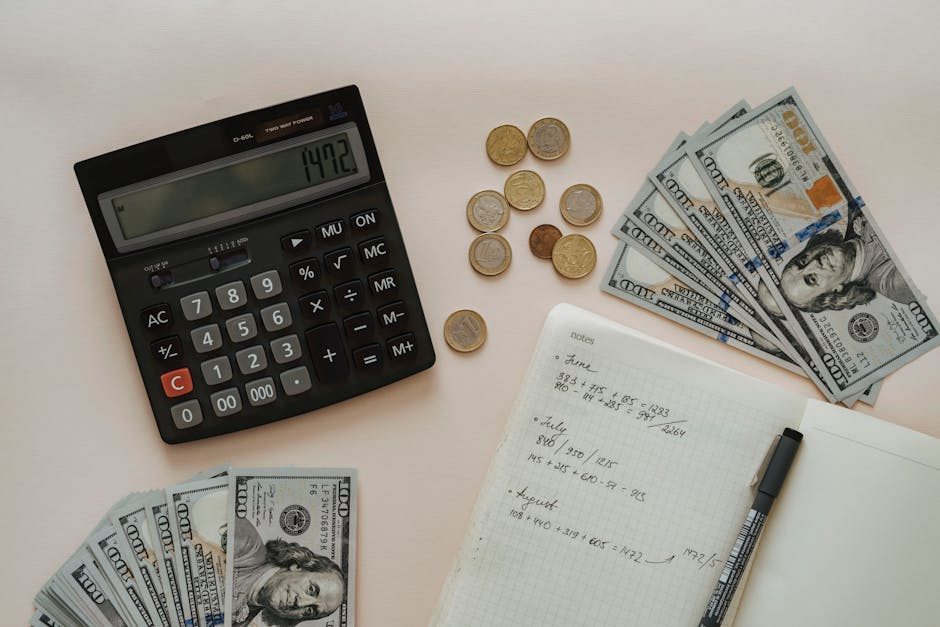
The old advice of "save $1,000 as a starter emergency fund" simply doesn't cut it anymore. A single car repair, one trip to the emergency room without full insurance coverage, or one month of unemployment can easily exceed that amount in today's economy.
In 2026, building a truly protective financial cushion means thinking carefully about your actual monthly expenses — and then multiplying appropriately based on your personal risk profile.
The Emergency Fund Calculator Method: Step by Step
Rather than using a one-size-fits-all number, the smartest approach is to calculate your emergency fund target based on your own financial situation. Here's how:
Step 1: Add Up Your Essential Monthly Expenses
Include only the necessities — housing (rent or mortgage), utilities, groceries, transportation, minimum debt payments, insurance premiums, and any childcare costs. Do NOT include discretionary spending like dining out, subscriptions, or entertainment. This is your "bare-bones survival number."
Step 2: Multiply by Your Coverage Target
Use the multiplier that fits your situation:
- 3 months: Dual-income household, stable salaried job, no dependents
- 4–5 months: Single income, one or two dependents, moderate job stability
- 6 months: Single income household, sole breadwinner, or industry with frequent layoffs
- 6–12 months: Freelancer, contractor, self-employed, or commission-based income
Step 3: Account for Known Upcoming Risks
Are you in an industry facing economic uncertainty? Do you have a chronic health condition with ongoing medical costs? Own a home with aging systems (HVAC, roof, plumbing)? Add an additional 10–20% buffer to your base calculation to account for these elevated risks.
How Emergency Fund Targets Have Risen Since 2020
The following table illustrates the estimated average recommended emergency fund size (based on 3–6 months of typical household expenses) from 2020 through 2026, reflecting inflationary trends in the U.S. economy.
| Year | Estimated Average Emergency Fund Target (USD) |
|---|---|
| 2020 | $8,500 |
| 2021 | $9,200 |
| 2022 | $10,800 |
| 2023 | $12,100 |
| 2024 | $13,600 |
| 2025 | $15,200 |
| 2026 | $17,400 |
Source: AI-generated estimate based on inflation and cost-of-living trends. Individual targets will vary by household.
The data tells a clear story: the cost of financial security has risen by more than 100% in just six years. If your emergency fund goal hasn't been updated recently, it's time to recalculate. For a more personalized breakdown based on your lifestyle, check out our detailed guide: Emergency Fund Calculator: How Much You Really Need Based on Your Lifestyle.
Emergency Fund Targets by Household Type in 2026
| Household Type | Monthly Essential Expenses (Est.) | Recommended Months | Target Emergency Fund |
|---|---|---|---|
| Single renter, stable job | $2,500 | 3 months | $7,500 |
| Couple, dual income, no kids | $4,000 | 3–4 months | $12,000–$16,000 |
| Family of four, one income | $5,500 | 6 months | $33,000 |
| Freelancer/self-employed | $3,500 | 9 months | $31,500 |
| Near retirement, fixed income | $3,000 | 12 months | $36,000 |
Where to Keep Your Emergency Fund in 2026
Your emergency fund must meet two non-negotiable criteria: it must be liquid (accessible within 1–3 business days) and it must be safe (not subject to market volatility). That rules out stocks, ETFs, and most investment accounts.
The best options in 2026 are:
- High-yield savings accounts (HYSAs): Currently offering 4.0–5.0% APY at online banks — your money grows while staying fully accessible.
- Money market accounts: Similar rates to HYSAs, sometimes with check-writing privileges.
- Treasury bills (T-bills): For the portion of your fund you're less likely to need immediately, short-term T-bills offer competitive yields with federal backing.
For a complete comparison of the top accounts available right now, see our roundup of the Best High-Yield Savings Accounts and Money Market Funds for 2026.
According to the FDIC, savings accounts at insured banks are protected up to $250,000 per depositor — giving you peace of mind that your safety net is itself safe.
How to Build Your Emergency Fund Faster
Knowing your target number is the first step. Actually reaching it requires a plan:
Automate Monthly Contributions
Set up an automatic transfer on payday to a dedicated HYSA. Even $200–$300 per month adds up to $2,400–$3,600 per year — and the habit is more important than the amount when you're starting out.
Apply Windfalls Strategically
Tax refunds, work bonuses, side income, and gifts are all excellent opportunities to make lump-sum contributions to your emergency fund. Before spending any windfall, ask whether your safety net is fully funded first.
Temporarily Pause Non-Essential Investing
If you have no emergency fund at all, it may make sense to temporarily pause contributions to taxable investment accounts until you reach at least 1–2 months of coverage. The psychological and financial cost of an unfunded emergency far outweighs a few months of missed market gains.
Once your emergency fund is solid, you can redirect surplus savings toward wealth-building. If you're wondering what to do with money beyond your safety net, explore our guide on Passive Income Ideas: Generate $1,000+ Monthly Without Active Work or learn How to Build a $1 Million Net Worth by 30.
Common Emergency Fund Mistakes to Avoid
- Keeping it in a regular checking account: You'll earn almost nothing and may spend it accidentally.
- Setting an arbitrary goal without calculating real expenses: "$10,000" sounds good, but it may be too much or too little for your situation.
- Raiding it for non-emergencies: Vacations, holiday gifts, and planned car maintenance are not emergencies. Keep your fund sacred.
- Never replenishing it after use: After you draw from your fund, make refilling it the next financial priority.
- Forgetting to update the target annually: As living costs rise, so should your emergency fund goal.
The Consumer Financial Protection Bureau (CFPB) recommends regularly reassessing your emergency savings as your income, expenses, and family situation change — a habit that is especially critical in today's economic environment.
Frequently Asked Questions
How much should I have in an emergency fund in 2026?
Most financial experts recommend 3–6 months of essential living expenses. Based on average U.S. household costs in 2026, this works out to approximately $15,000–$20,000 for a typical individual. Freelancers, sole breadwinners, and those with high-risk situations should aim for 6–12 months.
Is a high-yield savings account the best place for an emergency fund?
Yes, for most people. High-yield savings accounts offer the ideal combination of liquidity, safety, and competitive interest rates (currently 4–5% APY at many online banks). Your money is accessible within 1–3 business days and FDIC-insured up to $250,000.
Should I invest my emergency fund to grow it faster?
No. Emergency funds should not be exposed to market risk. If your fund is in stocks or ETFs and the market drops 30% right when you lose your job, you've lost both your income and your safety net simultaneously. Keep emergency savings in stable, liquid accounts only.
What counts as a real emergency?
True emergencies include: sudden job loss, unexpected medical bills, major car or home repairs, and family crises requiring immediate travel or care. Planned expenses, lifestyle upgrades, and non-urgent purchases do not qualify — those should be funded through separate savings goals.
How long will it take to build a full emergency fund?
It depends on your savings rate. Saving $500/month, you'd reach $17,400 in about 35 months. At $1,000/month, you'd get there in under 18 months. Starting is more important than the speed — even a small, partially-funded emergency fund dramatically reduces financial stress and prevents debt spirals.